7 Challenges in the Machine Lifecycle: Downtime, Obsolescence and Spare Parts
Discontinued drives, lost parameter backups, no remote access… Seven drive-related topics to plan for if your machines are to run efficiently for 15–20 years.
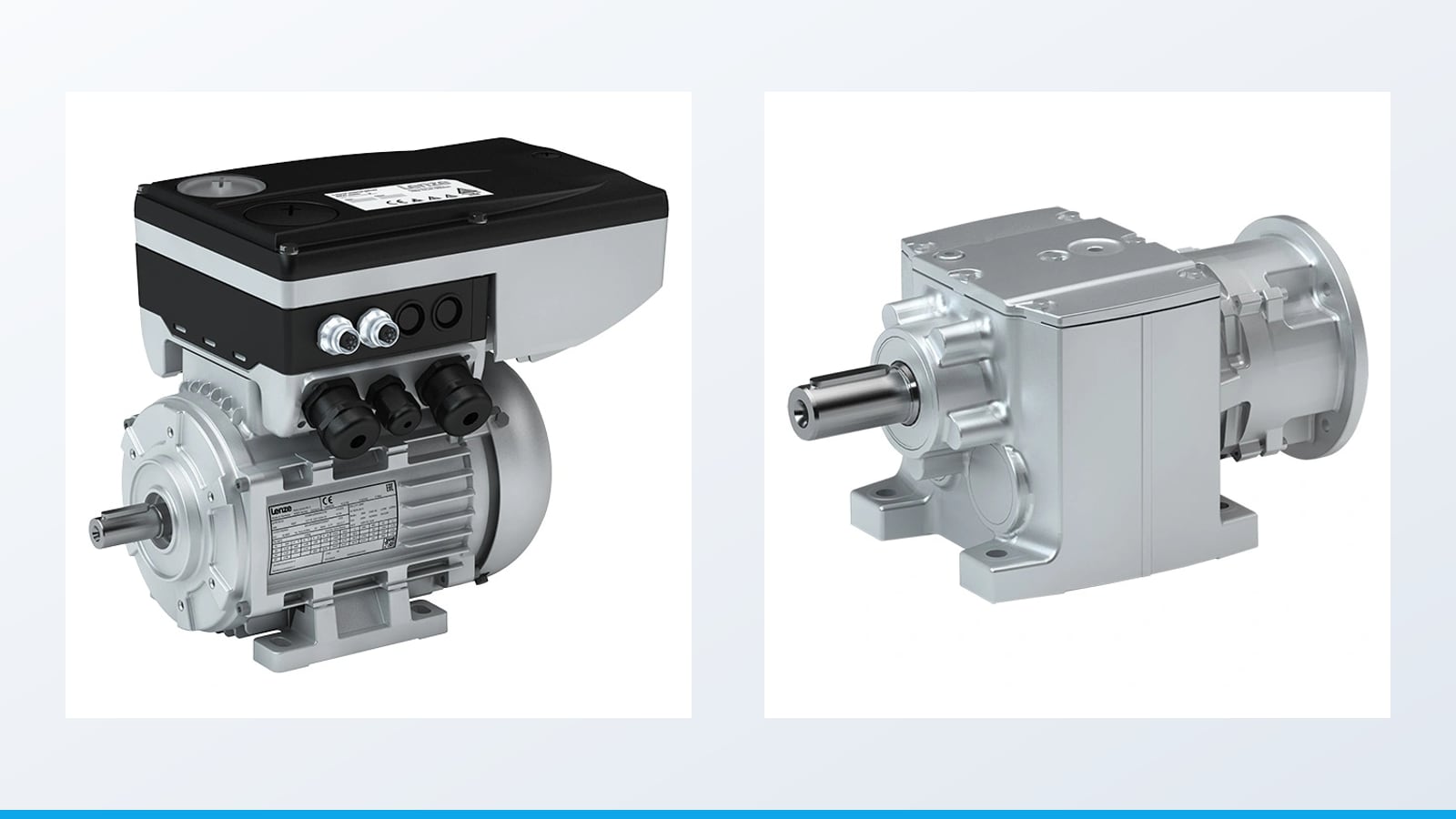
A machine runs for 15–20 years; the drives and control electronics inside it are often discontinued long before that.
The machine lifecycle starts not at purchase but at commissioning. In service and spare-parts requests, the most expensive failures Euronorm Engineering sees are not technical but caused by planning: a drive with no spare, a lost parameter file, or a line waiting for hours because there is no remote access.
1. Obsolescence
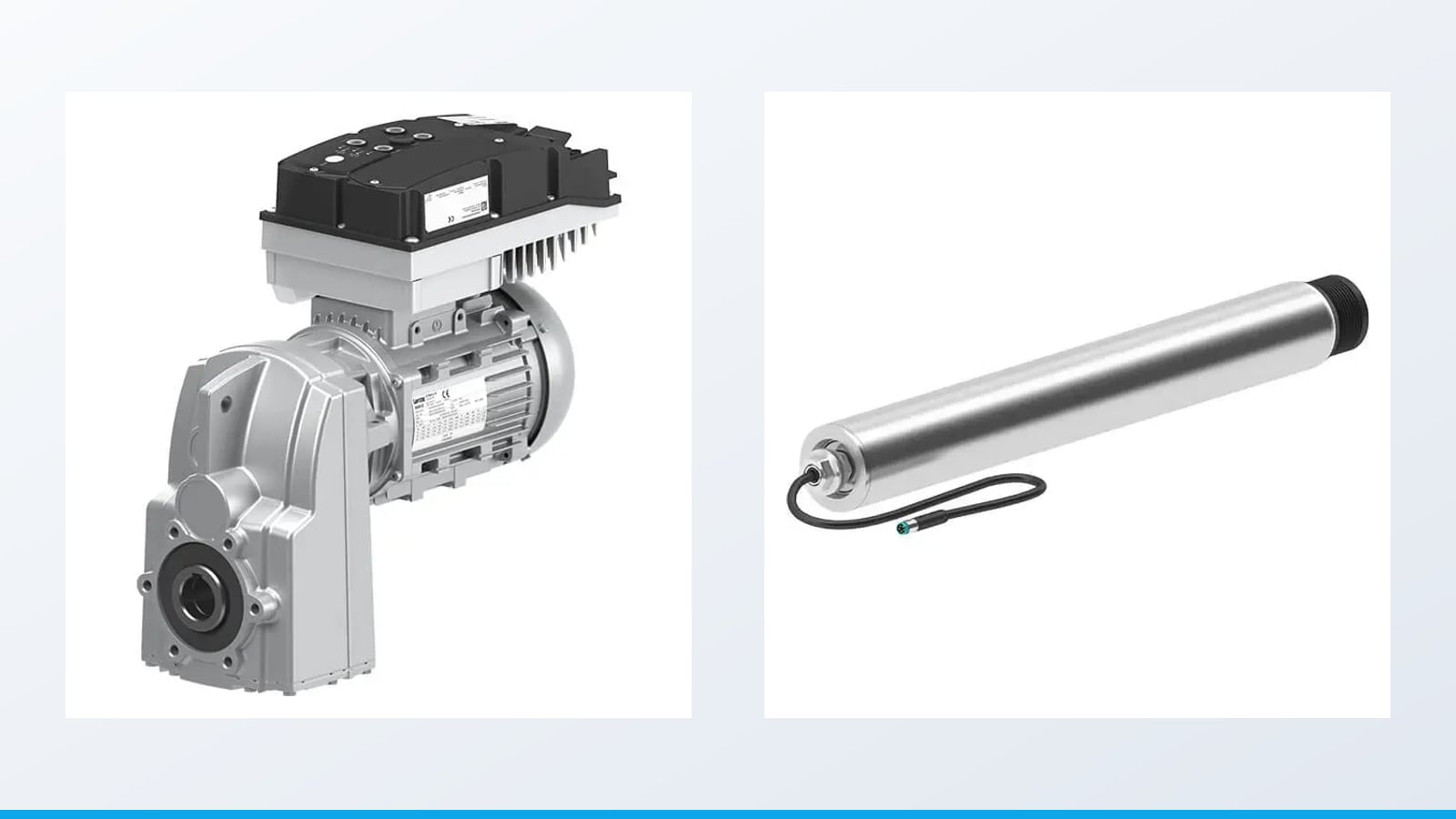
Electronic components are renewed much faster than mechanical parts. Once a manufacturer moves a drive series to "previous product" status, spare supply becomes difficult within a few years. That is why we flag products such as [previous-generation motors with motor-mounted inverters](/en/products/lenze/lenze-motors/lenze-mf-three-phase-ac-motors-8400-motec)previous-generation motors with motor-mounted inverters/en/products/lenze/lenze-motors/lenze-mf-three-phase-ac-motors-8400-motec separately on our site: plants using them should plan their migration now.
2. Spare parts strategy
Stocking every part is expensive; stocking none is risky. Using a criticality analysis to identify the drives that stop the line, and keeping spares only for those, is the most balanced approach.
3. Parameter and software backups
When a drive is replaced, the real time loss is not installation but finding the right parameters. Backing up all drive parameters and PLC projects after commissioning and adding them to the machine file cuts downtime from hours to minutes.
4. Remote access and monitoring
If the service team can see the fault without travelling to site, downtime is shortened directly. That is why [secure remote access and condition monitoring platforms](/en/products/lenze/lenze-iiot/lenze-x4-remote)secure remote access and condition monitoring platforms/en/products/lenze/lenze-iiot/lenze-x4-remote are becoming standard on new machines.
5. Modular, standardised mechanics
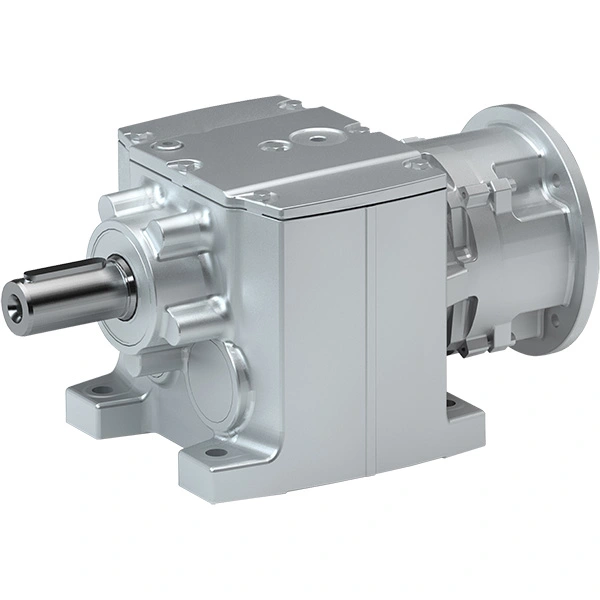
Using the same gearbox family across a line reduces both spare-part variety and maintenance training. [Modular helical gearboxes](/en/products/lenze/lenze-gearboxes/lenze-g500-h-helical-gearboxes)Modular helical gearboxes/en/products/lenze/lenze-gearboxes/lenze-g500-h-helical-gearboxes make it easier to stay on one platform with different motor and mounting options.
6. Energy-efficiency upgrade
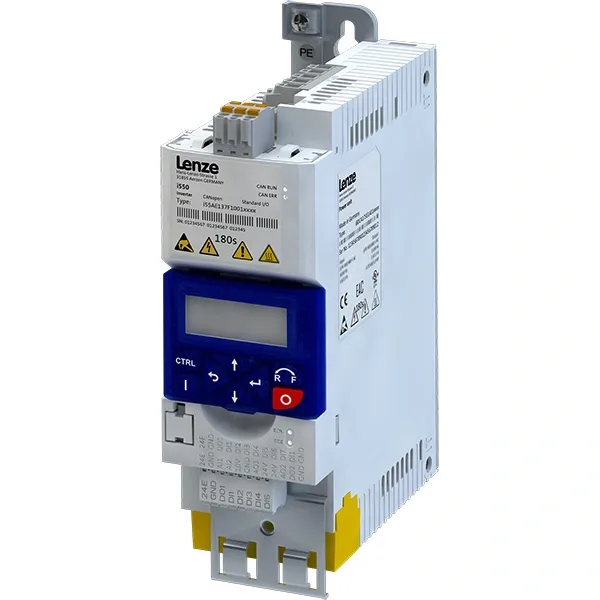
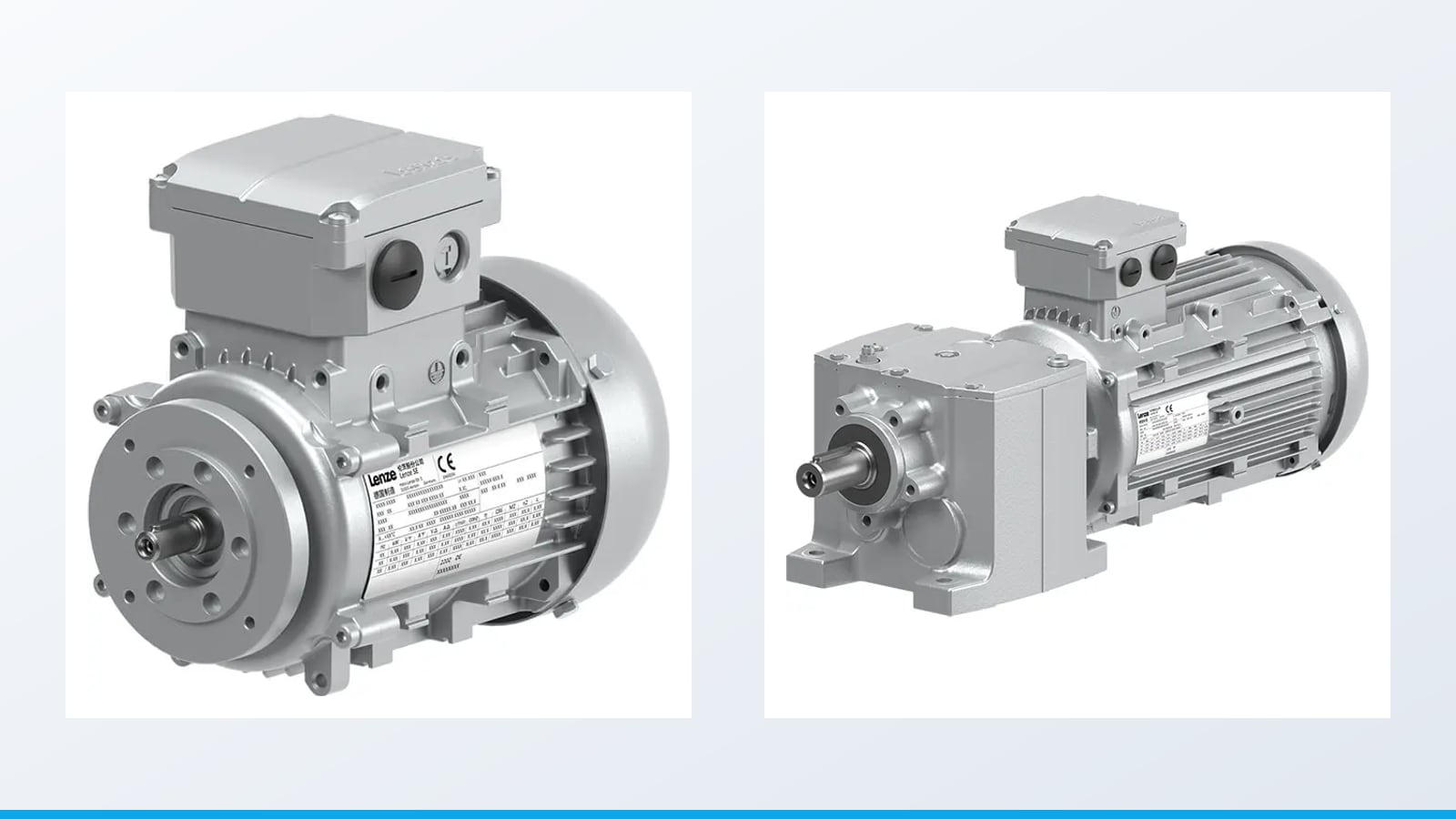
Rather than replacing an old machine entirely, renewing the drive side often gives the fastest return. Replacing old motors with IE4/IE5-level motors and [current frequency inverters](/en/products/lenze/lenze-inverters/lenze-i550)current frequency inverters/en/products/lenze/lenze-inverters/lenze-i550 both cuts energy use and solves the spare-parts problem.
7. Continuity of knowledge and documentation
The team that built the machine changes over time. Wiring diagrams, drive lists, maintenance intervals and parameter files should be kept up to date in one place. Sizing records created with drive planning software should also be part of that file.
Conclusion
Machine lifecycle management is not a one-off project but a discipline that starts at commissioning. Euronorm Engineering assesses your existing drive fleet and builds a roadmap with you for obsolescence analysis, spare-parts planning and retrofit projects.